
Energy Costs: Running a Humanoid Robot at Home in the UK
How much does it cost to run a humanoid robot in the UK? Electricity consumption, charging patterns, and impact on your energy bill.
Robots4Home Team
robots4home.uk
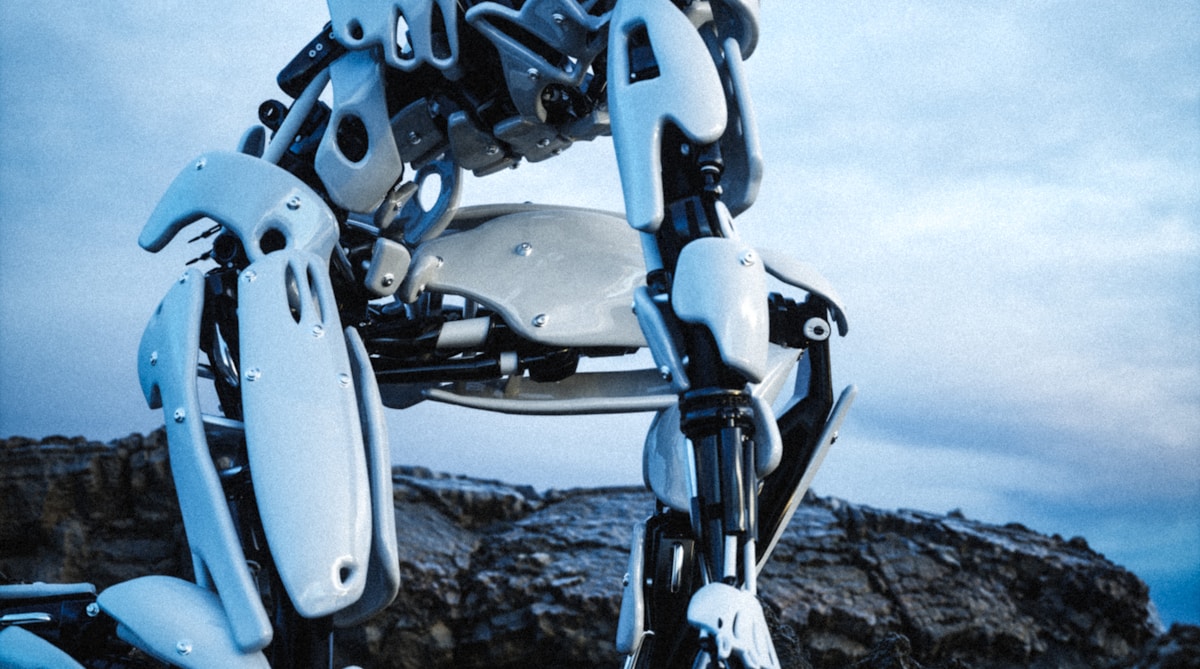
If you’re considering bringing a humanoid robot into your home, one of the most practical questions you’ll face is: how much will it actually cost to run? Beyond the purchase price and any taxes, the ongoing electricity costs will become a permanent fixture on your energy bill. We’ve crunched the numbers so you know exactly what to expect.
Understanding Battery Capacities
Not all humanoid robots are built equal when it comes to energy consumption. Battery capacity varies dramatically across models, and it’s the single biggest factor in determining your running costs. Here’s a breakdown of the major robots likely to appear in UK homes:
- Bumi (companion class): ~200Wh battery — designed for lightweight interaction, conversation, and basic assistance tasks
- Figure R1: ~500Wh battery — positioned as a capable household helper with a moderate energy footprint
- Unitree G1: ~800Wh battery — a mid-range humanoid capable of moderate physical tasks
- NEO (1X Technologies): ~1,000Wh battery — a versatile general-purpose home assistant
- Apptronik H2: ~1,200Wh battery — the most power-hungry option, built for sustained physical work including lifting, carrying, and heavy chores
These figures represent the total energy stored in a full charge. In practice, the amount you actually draw from the grid will be slightly higher due to charging inefficiency — typically around 85-90% for lithium-based battery systems. We’ll factor that into our calculations below.
UK Electricity Prices in 2026
As of early 2026, the average UK electricity rate sits at roughly 24.5p per kWh under the Ofgem price cap. Your actual rate may differ depending on your supplier, tariff, and region, but we’ll use this figure as our baseline.
It’s worth noting that electricity prices have stabilised somewhat compared to the volatility of 2022-2024, but they remain significantly higher than pre-2020 levels. This makes it all the more important to understand exactly what a robot will add to your quarterly bill.
Daily, Monthly, and Yearly Cost Calculations
Let’s assume each robot requires 1.5 charges per day on average — a reasonable estimate for a robot performing a mix of household tasks and spending some time docked. We’ll also factor in a 90% charging efficiency, meaning you draw slightly more from the grid than the battery’s rated capacity.
Here’s how the maths works out:
Daily energy from the grid = Battery capacity x 1.5 charges / 0.90 efficiency
| Robot | Battery | Daily Energy (kWh) | Daily Cost | Monthly Cost | Yearly Cost |
|---|---|---|---|---|---|
| Bumi | 200Wh | 0.33 | 8p | £2.45 | £29.70 |
| Figure R1 | 500Wh | 0.83 | 20p | £6.13 | £74.28 |
| Unitree G1 | 800Wh | 1.33 | 33p | £9.80 | £118.85 |
| NEO | 1,000Wh | 1.67 | 41p | £12.25 | £148.55 |
| Apptronik H2 | 1,200Wh | 2.00 | 49p | £14.70 | £178.25 |
At the lower end, a Bumi would cost you less than £2.50 a month — barely noticeable on your bill. Even the most power-hungry H2 comes in under £15 per month, which is considerably less than many people expect. These figures assume the standard 24.5p/kWh rate; read on for ways to reduce them further.
Standby and Idle Power Consumption
The calculations above cover active use and charging, but robots also consume power when idle. Most humanoid robots enter a low-power standby mode when docked but not actively working. Standby consumption typically ranges from 5W to 15W, depending on the model and what background processes are running (sensor monitoring, software updates, voice-wake listening, and similar).
At 10W average standby draw, you’re looking at roughly 0.24 kWh per day, or about 6p daily. Over a year, that adds approximately £21 to your bill. It’s not dramatic, but it’s worth factoring in if you want a complete picture.
Some robots allow you to power down fully rather than remaining in standby, but this typically means longer boot times and missed scheduled tasks. For most households, keeping the robot in standby mode is the practical choice. Check our maintenance guide for tips on optimising standby settings.
Smart Tariff Strategies: Slash Your Costs
One of the simplest ways to reduce your robot’s running costs is to take advantage of time-of-use tariffs. If you’re on Economy 7, Economy 10, or a similar off-peak tariff, you can schedule your robot to charge during cheaper overnight hours.
Economy 7 off-peak rates typically sit around 10-12p per kWh — less than half the standard rate. If you charge your robot entirely during off-peak hours, your annual costs drop substantially:
| Robot | Standard Rate (yearly) | Economy 7 Off-Peak (yearly) | Saving |
|---|---|---|---|
| Bumi | £29.70 | £13.30 | £16.40 |
| Figure R1 | £74.28 | £33.30 | £40.98 |
| Unitree G1 | £118.85 | £53.28 | £65.57 |
| NEO | £148.55 | £66.60 | £81.95 |
| Apptronik H2 | £178.25 | £79.92 | £98.33 |
For the H2, that’s nearly £100 saved per year simply by shifting when the robot charges. Most robots allow you to set charging schedules through their companion app, and many smart home integrations can automate this further.
Agile tariffs from suppliers like Octopus Energy offer even more flexibility, with half-hourly pricing that sometimes drops to near-zero or even negative rates during periods of high renewable generation. If your robot’s charging system supports smart scheduling, you could potentially charge for next to nothing on windy nights.
How Does a Robot Compare to Other Appliances?
To put these numbers in context, let’s compare a humanoid robot’s energy consumption against familiar household appliances:
| Appliance | Typical Annual Energy | Annual Cost (24.5p/kWh) |
|---|---|---|
| Bumi robot | 121 kWh | £29.70 |
| Fridge-freezer | 250-400 kWh | £61 - £98 |
| Figure R1 robot | 303 kWh | £74.28 |
| Dishwasher (daily use) | 300-350 kWh | £74 - £86 |
| Tumble dryer (3x/week) | 350-500 kWh | £86 - £123 |
| NEO robot | 607 kWh | £148.55 |
| Apptronik H2 robot | 728 kWh | £178.25 |
| Electric vehicle (8,000 miles/yr) | 2,400-2,800 kWh | £588 - £686 |
A smaller robot like the Bumi uses less electricity than a modern fridge-freezer. Even the larger H2 consumes roughly half what a tumble dryer uses if you’re running it regularly. And compared to an electric vehicle, any humanoid robot is a fraction of the cost. If you’re already running an EV and a heat pump, adding a robot to your home is a relatively modest increase in energy consumption.
For a broader look at which robots suit UK households, see our guide to the best humanoid robots for UK homes.
Environmental Impact and Carbon Footprint
In 2026, the UK electricity grid’s carbon intensity continues to fall as more offshore wind and solar capacity comes online. The average carbon intensity hovers around 130-150g CO2 per kWh, though this varies by time of day and season.
Using these figures, here’s the approximate annual carbon footprint for each robot:
- Bumi: 16-18 kg CO2 per year
- Figure R1: 39-45 kg CO2 per year
- Unitree G1: 63-73 kg CO2 per year
- NEO: 79-91 kg CO2 per year
- Apptronik H2: 95-109 kg CO2 per year
For perspective, the average UK person’s total carbon footprint is around 5-6 tonnes per year. Even the most power-hungry robot adds less than 2% to that figure. Charging overnight also tends to be greener, as wind generation often peaks during those hours, meaning lower carbon intensity per kWh.
Offsetting with Solar Panels
If you have solar panels installed — or you’re considering them — your robot’s energy costs could drop to essentially zero. A typical UK residential solar installation (3.5-4 kWp) generates around 3,000-3,400 kWh per year. Even the H2’s annual consumption of roughly 728 kWh represents only about 20-25% of that output.
With a home battery storage system, you can capture daytime solar generation and use it to charge your robot overnight. This combination makes the running cost genuinely negligible and eliminates the carbon footprint of operation entirely.
Even without battery storage, if your robot charges during daylight hours when your panels are generating, you’ll offset a significant portion of the cost. The economics become even more attractive as the Smart Export Guarantee (SEG) rates for exporting surplus solar remain relatively modest — using that energy to power your robot is often more valuable than selling it back to the grid.
Practical Tips for Managing Energy Costs
Here are a few straightforward strategies to keep your robot’s energy costs as low as possible:
- Schedule charging overnight on an Economy 7 or agile tariff to take advantage of cheaper rates.
- Use standby wisely — if you won’t need the robot for several hours, consider a deeper sleep mode if available.
- Keep firmware updated — manufacturers regularly release software updates that improve power management and motor efficiency. Our maintenance guide covers this in detail.
- Monitor consumption with a smart plug or your home energy monitor to track actual usage versus estimates.
- Match the robot to your needs — if you only need a companion and light assistance, a smaller model like the Bumi will cost a fraction of what a heavy-duty H2 demands. See our price guide for help choosing.
- Pair with solar if you have panels, and consider a home battery to maximise self-consumption.
The Bottom Line
Running a humanoid robot at home in the UK is surprisingly affordable. Even the largest, most capable models cost less to run annually than a tumble dryer, and the smallest companion robots add barely £2-3 to your monthly bill. With smart tariff choices and solar panels, you can reduce those costs to near zero.
The electricity bill should be one of the least worrying aspects of robot ownership. The purchase price, maintenance, and tax implications are far more significant financial considerations. When it comes to the day-to-day cost of keeping your robot charged and ready, it’s genuinely comparable to running any other modern appliance — and considerably less than the electric car sitting on your drive.