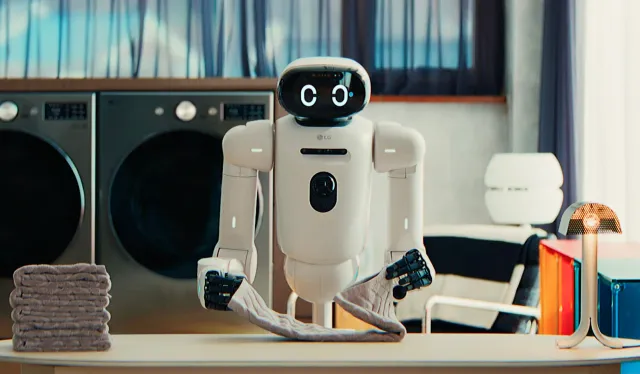
Robots for Elderly Care UK: What They Can Do and What They Cost
Robots for elderly people in the UK: what a robot for seniors can and cannot do, how much robots for older people cost (from robot vacuums to humanoids), and what to check before you buy.

Quick facts
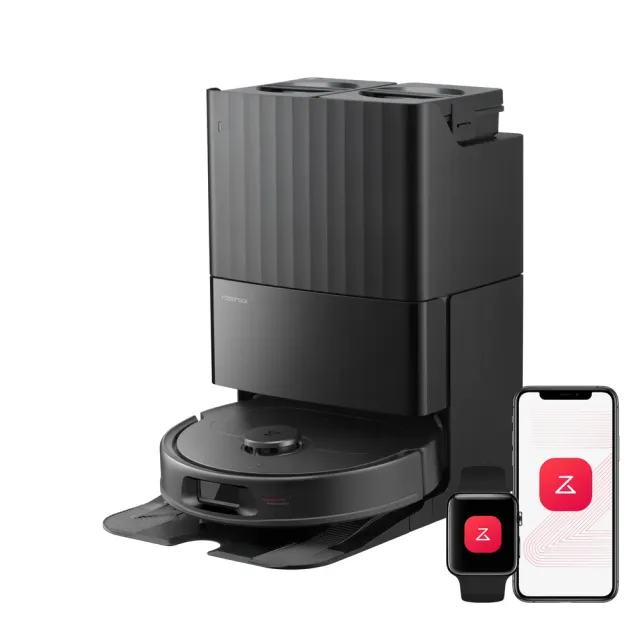
Roborock Qrevo S5V by Roborock
- Approx. UK price
- from £370 · Roborock UK store
- Available in the UK
- In stock in the UK
- Where to buy
- Amazon UK, uk.roborock.com
- Who it's for
- Households wanting an affordable vacuum-and-mop robot with a self-maintaining dock.
- Last checked
- 18 October 2026
If you’re considering a humanoid robot to help care for an elderly parent or relative, you’re not alone. But separating genuine capability from marketing hype is essential before you spend a penny.
Short answer: no robot on sale in the UK today can look after an older person on its own, and none is a medical device. The robots that help most right now are everyday ones: a robot vacuum (robot hoover) for the floors from about £370, a window cleaning robot from about £260 and a robot lawn mower from about £1,000. Care-focused humanoids are mostly demonstrations, US-only or research platforms. See how much robots for older people cost below; the robots in this guide are listed at the end of the page.
This guide covers what care robots are designed to do, the hard limitations, the costs, and how to set one up for an elderly user. Nothing here is medical advice: talk to the person’s GP, an occupational therapist or your council’s adult social care team about care and safety needs.
What Care Robots Are Designed to Do
These are the features that companies building care and companion robots describe. Few robots on sale in the UK today offer more than one or two of them, so check what a specific model actually does before you buy, and do not rely on a robot for safety.
Companionship and Conversation
Loneliness is one of the biggest health risks facing elderly people in the UK, with Age UK estimating that over a million older people go more than a month without speaking to a friend, neighbour, or family member. Humanoid robots provide consistent, patient conversation — they never get tired, never rush, and never make someone feel like a burden.
The robots remember previous conversations, ask follow-up questions, and can discuss topics ranging from the weather to family memories. For a deeper look at these benefits, see our guide on humanoid robots for companionship and mental health.
Medication Reminders and Health Monitoring
Robots can be programmed with precise medication schedules, issuing gentle verbal reminders and confirming whether tablets have been taken. Some models track patterns and can alert family members if medications are consistently missed.
Beyond medication, robots can prompt users to drink water, remind them of upcoming GP appointments, and monitor general activity levels throughout the day. If the usual morning routine doesn’t happen by a certain time, the robot can check in.
Fall Detection and Emergency Alerts
Some companies are developing robots that could notice a fall and alert family. None of the robots we track is sold as a fall detector, so keep using a personal alarm or a telecare service from your council or a recognised provider.
Video Calling Made Simple
Many older adults find tablets and smartphones fiddly and frustrating. A humanoid robot can initiate video calls through simple voice commands — “Call my daughter” is all it takes. The robot handles the connection, positioning, and volume, removing every technical barrier that normally prevents elderly people from staying in touch with family.
Daily Routine Prompts
Robots can gently structure the day with prompts for meals, exercise, medication, and social activities. Prompts like these are a convenience, not a treatment; if someone has memory problems, ask their GP or care team what support suits them.
What Robots Cannot Do — Honest Limitations
We believe in being completely straight with you. Here’s what humanoid robots are not capable of today.
No Physical Lifting or Personal Care
Current humanoid robots cannot help someone out of bed, assist with bathing, help with toileting, or provide any hands-on physical care. Their motor strength and dexterity simply aren’t there yet. If your relative needs physical assistance, they still need a human carer.
No Medical Procedures
Robots cannot administer injections, change dressings, take blood pressure accurately, or perform any clinical task. They’re a support tool, not a medical device. Always consult your GP or district nurse for medical care needs.
Not a Replacement for Human Carers
We cannot stress this enough: a humanoid robot is a supplement to human care, not a substitute. It fills the gaps between carer visits, provides overnight monitoring, and offers companionship — but it doesn’t replace the warmth, judgement, and physical capability of a trained carer.
Robot Recommendations for Elderly Care
For most families, the useful robots today are the ones that take physically demanding chores off the list. All of these are sold in the UK now; compare more models on our robot vacuums, window cleaning robots and robot lawn mowers pages.
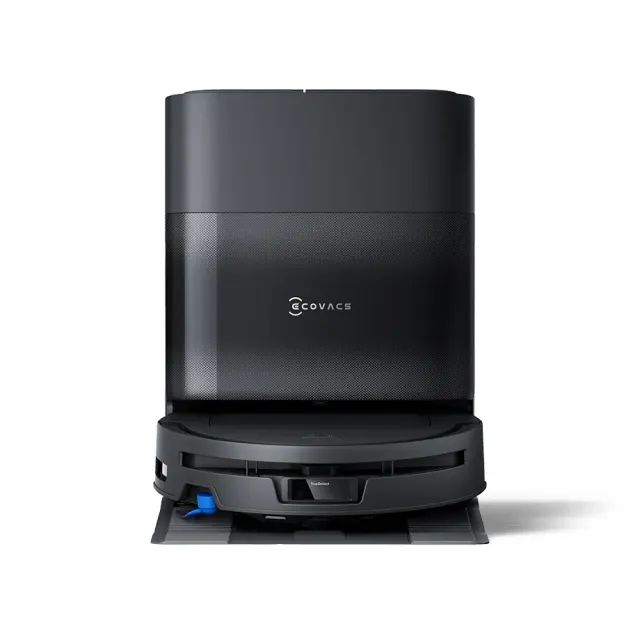
- Floors: a robot vacuum and mop (robot hoover) such as the Roborock Qrevo S5V or the Ecovacs DEEBOT T90 MAX OMNI means less bending and pushing a heavy vacuum. A dock that empties the bin itself matters most for an older user.
- Windows: a window cleaning robot such as the Ecovacs WINBOT mini 2 avoids ladders and stretching.
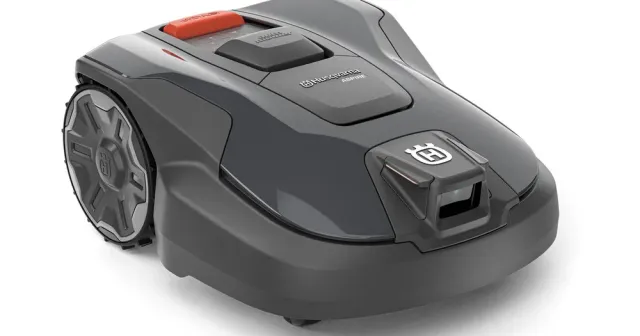
- Garden: a robot lawn mower such as the Husqvarna Automower Aspire R6V keeps the lawn short without pushing a mower.
Humanoids such as the 1X NEO are designed for household help, but NEO is sold in the US only, and the Unitree R1 is a research and education platform rather than a care robot. Neither is a substitute for a carer or a personal alarm.
For more options and comparisons, browse our guide to the best humanoid robots for the home.
Safety Considerations
Safety is paramount when placing a robot in a home with a vulnerable person. We cover this topic extensively in our humanoid robot safety guide, but here are the essentials for elderly care.
Gentle Movement Profiles
Neither 1X nor Unitree publishes a dedicated care mode for NEO or the R1, so ask the seller what speed and safety settings are available before a moving robot goes into the home of someone at risk of falls. A robot that moves too quickly or gets too close can startle an older person, increasing fall risk.
Emergency Stop Features
Every robot should have an easily accessible emergency stop — both a physical button on the unit and a voice command. Make sure your relative knows both methods. We recommend practising the stop command during the first week so it becomes second nature.
Pet Interactions
Many elderly people have pets, and this needs careful management. Cats are generally untroubled by robots after the first day or two. Dogs can be more reactive. Introduce the robot gradually, keep initial sessions short, and never leave a nervous pet unsupervised with an active robot. Neither 1X nor Unitree publishes a pet detection feature for NEO or the R1, so do not rely on the robot to keep clear of animals.
Family Remote Monitoring Features
For families who don’t live nearby, remote monitoring is often the main reason for considering a robot. Depending on the product, remote features can include:
- Live video through a smartphone app, for example with a small camera robot you drive from room to room
- Two-way calling through the robot’s speaker and microphone
- Notifications from the app, such as when the robot sees movement
None of the robots we track is sold as a fall detector or a medication monitor, so check exactly what a product offers before relying on it. Look for privacy settings that let the older person set boundaries, such as turning the camera off at certain times, and agree with them how the camera will be used: this helps maintain dignity and autonomy.
How much do robots for older people cost?
These are the UK prices of robots that can actually be bought here, as we last checked them. Prices change, so check each robot’s page.
| Type of robot | Example you can buy in the UK | Approximate UK price |
|---|---|---|
| Robot vacuum and mop (robot hoover) | Roborock Qrevo S5V | about £370 |
| Robot vacuum with roller mop and all-in-one dock | Ecovacs DEEBOT T90 MAX OMNI | about £450 (RRP) |
| Window cleaning robot | Ecovacs WINBOT mini 2 | about £260 |
| Robot lawn mower | Husqvarna Automower Aspire R6V | about £1,000 |
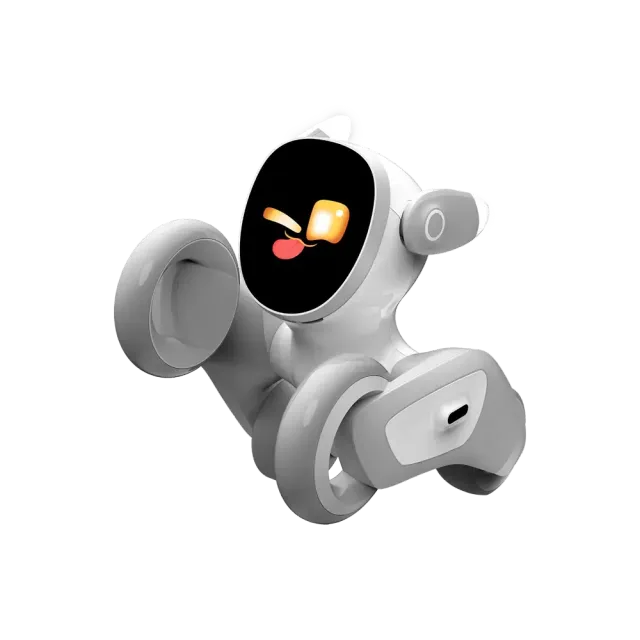
| Robot pet for company | Loona | around £500 outside promotions |
| Humanoid robot | Unitree R1 (research and education) | about £5,600 at Scan, pre-order with no delivery date yet (November 2026) |
Elderly care robot price, in short: a practical robot vacuum for an older person costs a few hundred pounds; a home humanoid designed for care is either not on sale in the UK or costs many thousands of pounds, and none replaces care visits. Before buying, check that the person can use the app or buttons, that the dock is out of walkways (a robot vacuum can be a trip hazard), and that a family member can help remotely.
UK specifics
- VAT relief. Some products designed solely for disabled people can be bought without VAT in the UK. General household robots usually do not qualify; check HMRC’s guidance or ask the seller.
- Local support. Ask your local council about adult social care assessments and telecare services, which robots do not replace.
- Not sure where to start? Our free matchmaking service can suggest robots that fit your relative’s home and needs.
NHS and Social Care Integration
The NHS and local councils are beginning to recognise assistive robotics. Some local authorities have started pilot programmes exploring robots as part of Technology Enabled Care (TEC) packages. While there’s currently no standard pathway for getting a robot funded through social care, it’s worth raising the topic during needs assessments.
If your relative receives direct payments or a personal budget, these funds can potentially be used towards a care robot, provided it’s included in the care plan. We recommend discussing this with your local council’s adult social care team. The landscape is evolving quickly, and funding pathways that don’t exist today may well appear within the next year or two.
Emotional and Psychological Benefits
Beyond the practical features, some older people enjoy having a robot around. Potential benefits, which vary from person to person, include feeling:
- Less of a burden on family members for day-to-day check-ins
- More confident about remaining in their own home rather than moving to residential care
- Genuinely entertained by conversations, quizzes, and music the robot provided
- More connected to grandchildren through easier video calling
These psychological benefits are difficult to quantify but arguably more valuable than any individual technical feature.
Setting Up a Robot for an Elderly User
Getting the setup right from the start makes an enormous difference to adoption. Here’s our recommended approach.
Before the robot arrives, talk to your relative about what it does and doesn’t do. Show them videos. Address any fears — many older people worry about being “replaced” by technology or feel embarrassed about needing help.
On day one, keep it simple. Introduce the robot, let it say hello, and practise a few basic commands: “What time is it?”, “Call [family member]”, and the emergency stop phrase. Don’t try to configure everything at once.
During the first week, add one feature per day — medication reminders on day two, the daily routine prompts on day three, and so on. This gradual approach prevents overwhelm and builds confidence.
Family involvement is crucial. Set up the monitoring app on the phones of at least two family members. Schedule a test video call. Make sure everyone knows how the alert system works before it’s needed for real.
After the first month, review how things are going. Ask your relative what they find helpful and what they find annoying. Adjust settings accordingly. The robots that work best are the ones tuned to the individual user’s preferences and routines.
What to Look For in a Robot for Elderly Care
The features that matter for an older user are different from what you would prioritise for general household use. Before buying any robot for a relative, check for:
- Gentle, predictable movement. Adjustable speed, soft exterior surfaces and actuators that stop on contact. Sudden movements can startle someone with limited mobility or balance problems.
- Clear voice interaction. Spoken commands that work without a touchscreen or app, adjustable volume, and visual cues alongside speech for users with hearing loss.
- An easy emergency stop. A large physical button, a simple voice command or both, which your relative has practised using.
- Reminders with confirmation. Medication or routine reminders that log whether they were acknowledged, so family members can see if something was missed.
- Basic safety features that do not depend on the internet. Broadband outages happen, so check what still works offline.
- UK support and safety marking. UKCA or CE marking, a UK warranty and a manufacturer or dealer who can repair the robot without it being away for weeks.
What to avoid
- Robots built for industrial or commercial use being repurposed for home care.
- Manufacturers who cannot explain clearly what data the robot collects, where it is stored and who can see it.
- Very cheap robots from unknown manufacturers with no UK support.
- Any claim that a robot can fully replace human care. This technology supplements care; it does not substitute for it.
Privacy and consent
Cameras and microphones in the home of a vulnerable person raise real ethical and legal questions. Under UK GDPR, the person being monitored (or their legal representative) should understand and agree to what is recorded. Agree camera-free times or rooms with your relative from the start.
The Bottom Line
Humanoid robots are not a magic solution to the UK’s elderly care crisis. They cannot lift, wash, or medically treat your loved one. But they can provide genuine, meaningful support — keeping someone company, keeping them safe, keeping them connected to family, and keeping them independent in their own home for longer.
For many families, a care robot combined with reduced human carer visits offers better overall support at a lower total cost than traditional care alone. The technology is still maturing, and we expect significant improvements over the coming years.
If you’re considering this path, start with the checklist above, have an honest conversation with your relative about their needs and feelings, and approach the whole process with patience. Done right, a care robot can be one of the best investments a family makes.